
"traditional agriculture"
2000 article(s) found

Nicaraguan Coffee Joy Manor Coffee Flavor taste introduction to the characteristics of boutique coffee in the manor area
Managua, the capital of Nicaragua, is located in the west of the border, on the south bank of Lake Managua, hence its name. The northwest is 140 kilometers away from the Collinto seaport on the Pacific coast. 55 meters above sea level. It is a Spanish city with beautiful scenery. Because it is located to the east of the Pacific volcanic active seismic belt, there have been four strong earthquakes in the city in the past 100 years, including one in December 1972.

Introduction of variety treatment method for flavor description and taste characteristics of Burundian coffee beans
Burundian Coffee Bean Flavor description production area Variety treatment method Burundian coffee bears a striking resemblance to its neighbor Rwanda, and the coffee produced in these two countries is often confused. Burundian coffee is mainly grown in bourbon, with traditional wet processing of coffee cherries. Its boutique coffee is characterized by elegant sweetness and bright citrus aromas. Ben

Introduction to the flavor and taste characteristics of Nicaraguan Tianyi Manor Coffee with chocolate flavor
Nicaragua is an economically backward agricultural country, is one of the poorest countries in Central America, the unemployment rate is very high, people live in poverty, and coffee is Nicaragua's pillar industry, producing nearly 100,000 tons of coffee beans every year. Due to the poor economic foundation, the coffee industry is still relatively backward, and coffee farmers are also in a relatively poor state. Although Nicaragua is a large part of Central America,

What is the history and culture of the characteristic name of mocha coffee?
Ethiopia, known as the birthplace of coffee, has a history of coffee origin and a traditional agricultural country. It is most famous for its mocha-Mocha coffee. In the West, Mocha is not only the name of the coffee variety, but also refers to the method of brewing coffee or the utensils for brewing coffee and special conditioning methods. Mocha coffee beans are mostly dried, but there are also so-called poles.

Introduction to the characteristics of Nicaraguan Coffee Manor with exquisite Flavor
Nicaragua is an economically backward agricultural country, is one of the poorest countries in Central America, the unemployment rate is very high, people live in poverty, and coffee is Nicaragua's pillar industry, producing nearly 100,000 tons of coffee beans every year. Due to the poor economic foundation, the coffee industry is still relatively backward, and coffee farmers are also in a relatively poor state. Although Nicaragua is a large part of Central America,

Brazilian Coffee? what are the factors affecting coffee cultivation in Minas Matas?
Professional coffee knowledge exchange more coffee bean information please pay attention to the coffee workshop (Wechat official account cafe_style) Minas is located on the coast of southeastern Brazil, is a diversified state, rich in resources, rivers, plateaus, waterfalls, large areas of tropical broad-leaved forest, while Matas is located in the east of Minas, the superior geography has brought very good conditions for the coffee industry.

What is the difference between Indonesia and coffee Java, Sumatra and Sulawesi?
What is the difference between Indonesia and coffee Java, Sumatra and Sulawesi? Indonesia, the country of Thousand Islands, has the largest number of islands in the world. When it comes to Indonesia, the most familiar is probably the resort island of Bali. According to a report by Indonesia's Thousand Island Daily, Indonesia has the largest coffee planting area in the world, but due to the low efficiency of coffee production, India

What does the Rwandan coffee taste good? what does the Rwandan coffee potato effect mean?
Professional coffee knowledge exchange more coffee bean information please follow the coffee workshop (Wechat official account cafe_style) Coffee farming is a traditional industry in Rwanda. Rwanda is one of the least visited countries in the world, with 90% mainly agriculture and animal husbandry. In 1904, German missionaries introduced bourbon trees from Guatemala and began to export them in 1917. Through the colonial trade policy,

Nicaragua coffee history, Nicaragua coffee introduction
Pay close attention to coffee comment (Weixin Official Accounts vdailycom ) and find that beautiful coffee shop opens its own small shop. Like other countries, Nicaragua is also a poor country, and coffee is also its main export crop. Nicaragua also suffered heavy losses during Hurricane Mitch in 1998. Below, Fuller Coffee experts will take you into the country's coffee

Nicaraguan Coffee Manor introduces the characteristics of Nicaraguan coffee in lemon tree manor
Nicaragua is an economically backward agricultural country, is one of the poorest countries in Central America, the unemployment rate is very high, people live in poverty, and coffee is Nicaragua's pillar industry, producing nearly 100,000 tons of coffee beans every year. Due to the poor economic foundation, the coffee industry is still relatively backward, and coffee farmers are also in a relatively poor state. Although Nicaragua is a large part of Central America,

Niagara Notega-UCASUMAN Coffee Cooperative Baking suggestion and Flavor description
Professional barista exchanges please pay attention to the coffee workshop (Wechat official account cafe_style) Nicaragua Guardia Notega-UCASUMAN coffee cooperative organic beans Nicaraguan coffee is not well-known in Taiwan in recent years, except for the traditional high-altitude typical tree species such as beans (M aragogype) and Java tree beans, ordinary coffee lovers seldom mention him, in fact, Nicaragua

Panamanian Coffee Manor Cotova Family Poquet Don K Manor Panamanian hand Coffee beans
Professional coffee knowledge exchange more coffee bean information please follow the coffee workshop (Wechat official account cafe_style) product name: Panama Poquet Don K Manor Panama Boquete Don-K Reserva Yellow Honey flavor description: flower, lime, fruit notes, brown sugar, apple, Chinese fir, caramel, sweet lasting finish, delicate texture. Kotowa

Nicaragua coffee beans grinding graduation method Variety production area Manor introduction
Nicaragua is an economically backward agricultural country and one of the poorest countries in Central America. The unemployment rate is very high and the people live in poverty. Coffee is the pillar industry of Nicaragua, producing nearly 100,000 tons of coffee beans every year. Because of the poor economic base, the coffee industry is still relatively backward, and coffee farmers are also in a relatively poor state. Although Nicaragua is a Central American country with a large territory

Introduction to the characteristics of coffee producing areas of boutique coffee beans in Tianyi Manor, Nicaragua
Columbus arrived here in 1502 and reached the east coast of Nicaragua. In 1522, Spanish colonists began to conquer the region. The cities of Granada and Leon were founded in 1524. From then on, Nicaragua became a Spanish colony and came under the jurisdiction of the Governor's Office of Guatemala. The city of Leon developed into a political and cultural center; Granada became a commercial and agricultural center. In the later period of colonial rule

The Italian organic agronomist's trip to Hainan Mountain Coffee made him marvel at the charm of siphon coffee.
Rompuy tasted the waterfall coffee in Qiongzhong. Luo Pei inspected Yangshan Wetland in Haikou. In 2014, Ms. Gao Gao, founder of Squirrel School, a natural education institution in Haikou, went to Europe to study organic agriculture and got to know Mr. LorenzoPeris (Chinese name Lopei), an Italian organic agriculture expert. In early January this year, Mr. Lopei went to Shanghai to participate in organic agriculture.

Introduction to the taste of Nicaraguan lemon manor with fruit flavor
Nicaragua is an economically backward agricultural country, is one of the poorest countries in Central America, the unemployment rate is very high, people live in poverty, and coffee is Nicaragua's pillar industry, producing nearly 100,000 tons of coffee beans every year. Due to the poor economic foundation, the coffee industry is still relatively backward, and coffee farmers are also in a relatively poor state. Although Nicaragua is a large part of Central America,
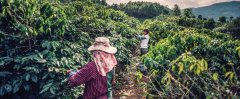
Traditional Kenyan coffee bean processing methods flavor Kenyan Kiambu coffee growers team story
Grower groups such as Ngewa-Komothai help quality-conscious small owners maintain quality and traceability standards while entering the international market

Drink coffee like a connoisseur of exquisite agricultural products
Coffee is an expensive agricultural product, like wine, coffee is an agricultural product, and like wine, it changes every year under the influence of climate, light, and so on, and it will show different tastes due to different places of origin. The above-average coffee beans are basically Arabica coffee beans, which grow only at an altitude of 900m to 2000 m. Coffee is abundant in the world.

Introduction to the characteristics of grinding degree of Ethiopian coffee bean name manor producing area flavor description treatment method
Ethiopian coffee bean flavor description method introduces Ethiopia, known as the birthplace of coffee, which has a history of coffee origin and traditional agricultural cultivation techniques. It is said that the English word coffee also comes from the place name kaffa in Ethiopia. Legend has it that around 900 AD, a shepherd in the Cafa region of Ethiopia was grazing in the mountains.

What are the advantages of rainforest certified coffee? What is rainforest certified coffee?
Rainforest Alliance Overview Rainforest Alliance (RA) was founded in 1987, headquartered in New York, USA. It is not only a non-profit international non-governmental environmental protection organization, but also the largest and most authoritative professional FSC certification organization recognized by FSC. Its mission is to protect global ecosystems and make a living by changing land use patterns, business and consumer behavior.